Buying guide
Best Espresso Machines Under $1,000
The Breville Barista Pro is the best espresso machine under $1,000 for most US homes. The Magnifica Evo suits push-button buyers on the same budget.
Breville Barista Pro
A built-in grinder with 30 settings and a 3-second heat-up, for people who want to learn real espresso without buying a separate grinder.
Breville Barista Express
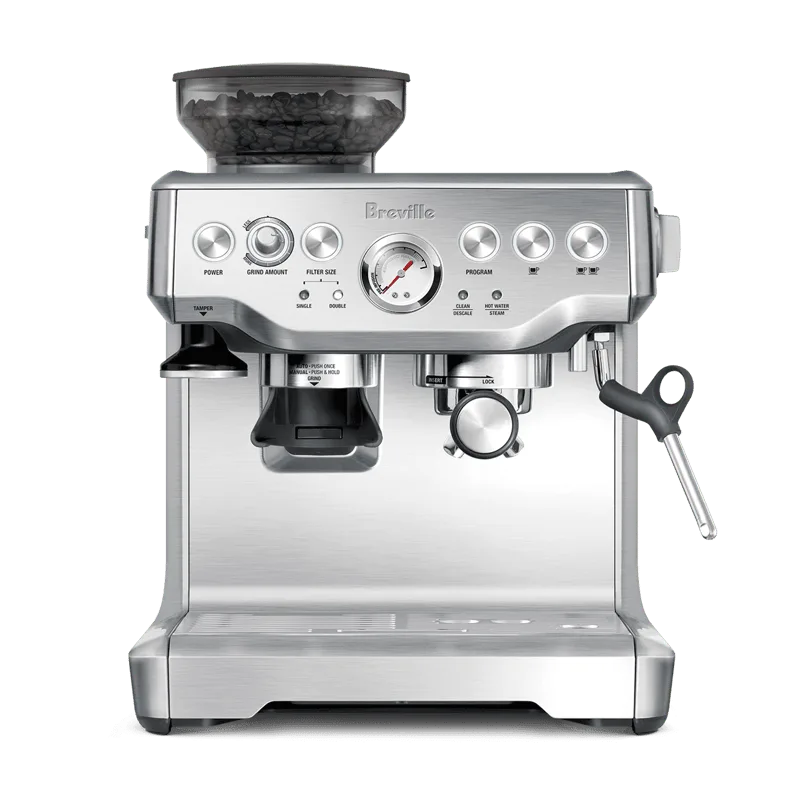
The same idea as the Pro for less money, with a pressure gauge that shows you what each shot is doing.
De'Longhi Magnifica Evo
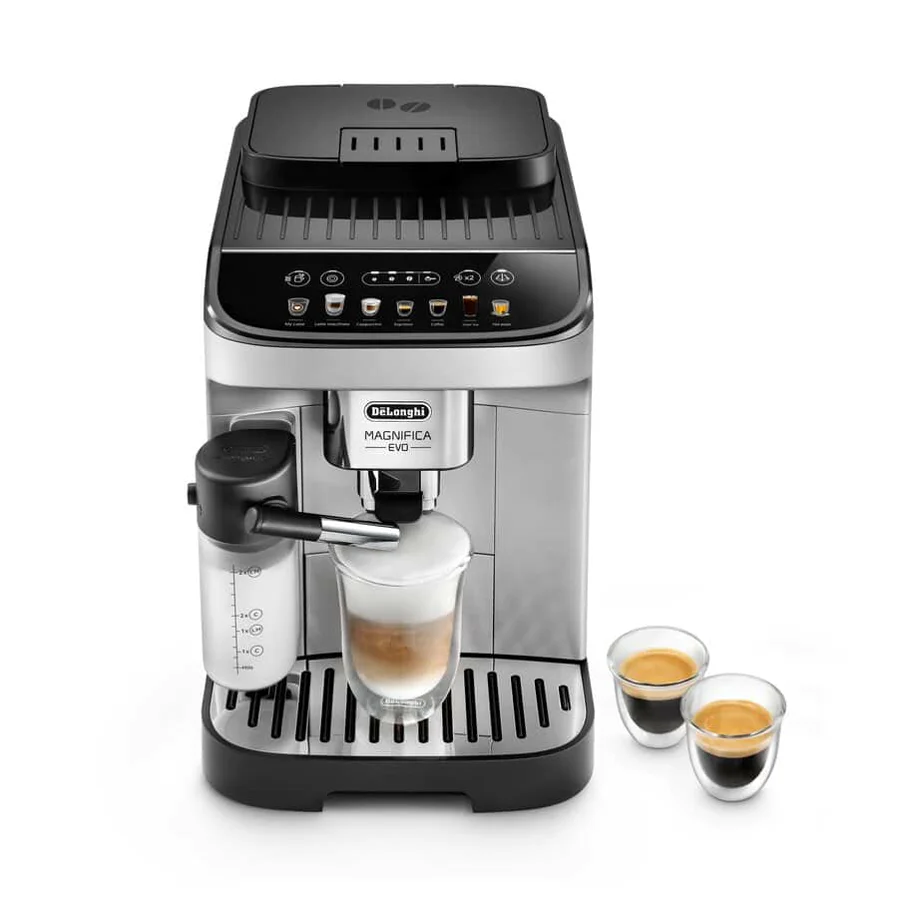
Fresh-ground espresso at the push of a button, with either a manual steam wand or an automatic milk carafe.
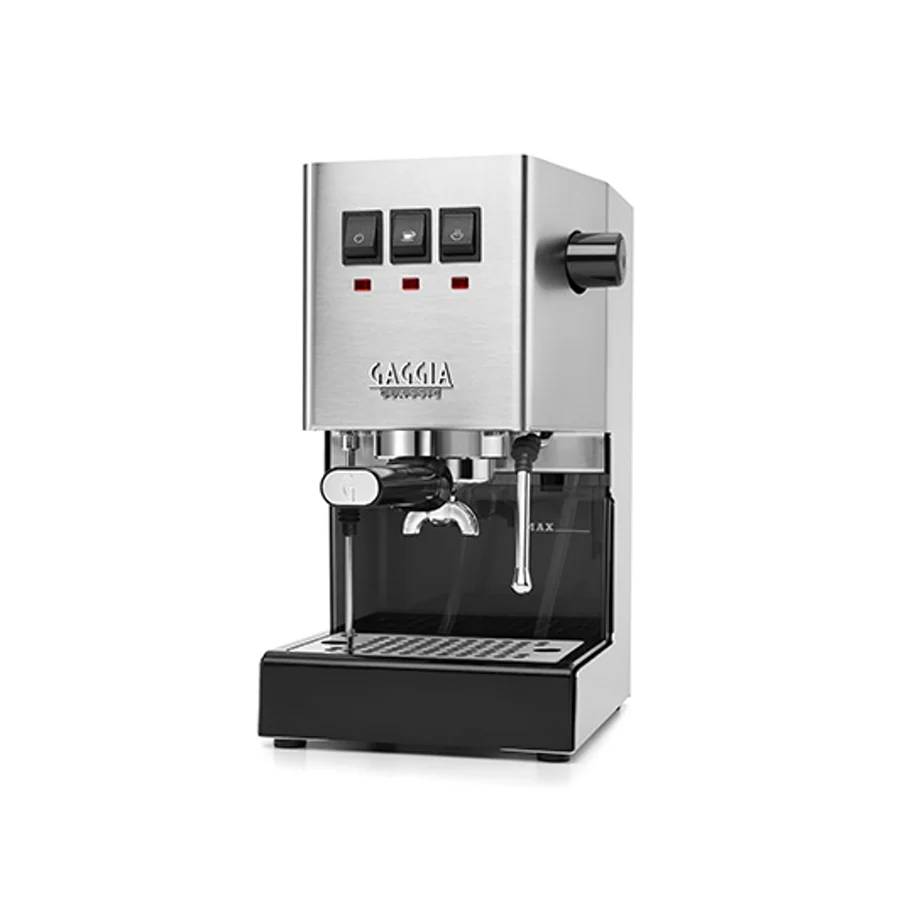
Gaggia Classic Evo Pro
A simple 58 mm portafilter machine that leaves room in a $1,000 budget for a proper espresso grinder.
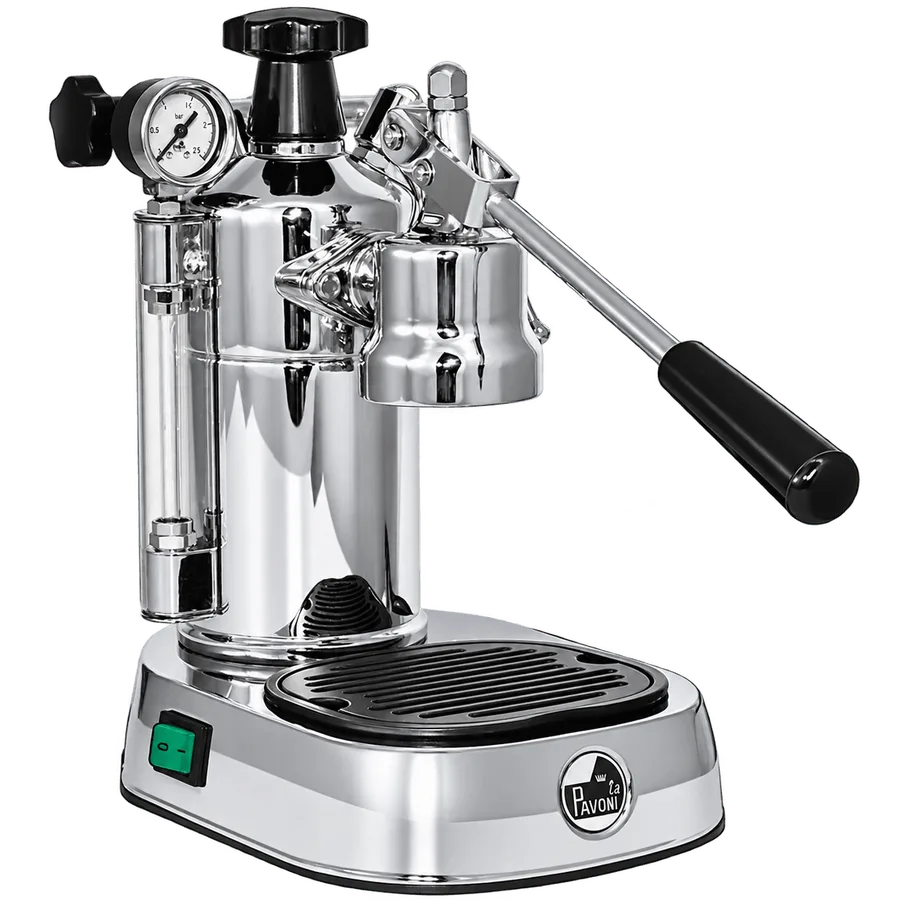
La Pavoni Europiccola
A direct lever machine you can rebuild yourself, for patient owners who make one or two drinks at a time.
For most US homes with up to $1,000 to spend, buy the Breville Barista Pro. It puts a capable grinder, a fast heater and a steam wand in one box, and it lists at about $850 at US retailers. If you want espresso at the push of a button, buy the De’Longhi Magnifica Evo instead. If you already own a good grinder, or want to buy one, the Gaggia Classic Evo Pro gives you the most machine for the money.
How we chose
We did not use these machines ourselves. We compared manufacturer specs, manuals, US retailer listings and long-term owner reports. Each pick usually sells new in the US for under $1,000 in late 2026. Prices move often, so we give bands, not exact figures.
One rule shaped this list: budget for the grinder. A portafilter machine without a built-in grinder needs an espresso-capable grinder, which adds an estimated $150 to $400. That is why two of the five picks include a grinder in the box.
Breville Barista Pro: best overall
Breville lists 30 grind settings, a ThermoJet heater that reaches extraction temperature in about 3 seconds and a 54 mm portafilter. A small LCD shows grind setting and shot time. The steam wand is manual.
Who it suits: one or two people who want to learn to pull shots and steam milk, and who want to start making coffee within a minute of switching on.
The real weakness: the built-in grinder is the part owners most often outgrow, and a standalone grinder later adds cost. You also clean the grinder, the drip tray and the steam wand yourself.
Price band: US retailers list it at about $850. Sale prices are lower, an estimated $600 to $850.
Breville Barista Pro: grinder, fast heat-up and steam wand in one box, for under $1,000.
Check price →Breville Barista Express: best value all-in-one
The Barista Express (BES870XL) is the older sibling of the Pro. It has a conical burr grinder with 16 settings, a PID-controlled Thermocoil heater, a 54 mm portafilter and an analog pressure gauge. Breville lists it at 15.9 by 13.1 by 12.4 inches.
Who it suits: a first espresso buyer who wants the Pro’s workflow for less. The gauge helps you see whether your grind is too fine or too coarse.
The real weakness: the heater takes longer to switch from brewing to steaming than the Pro’s ThermoJet, so back-to-back milk drinks are slower. The grinder’s steps are coarser than the Pro’s 30 settings. Read our Barista Express review for the full list of limits.
Price band: about $550 to $700.
De’Longhi Magnifica Evo: best superautomatic
The Magnifica Evo grinds, doses, tamps and brews for you. It comes in two US versions. The ECAM29043SB has a manual steam wand. The ECAM29084SB has the LatteCrema automatic milk carafe and 7 one-touch drinks. Both versions share a 15-bar pump, 13 grind settings, a 250 g bean hopper and a 60 oz tank.
Who it suits: people who want good espresso or Americanos in under a minute with no learning curve. The carafe version suits households that want cappuccinos without steaming milk.
The real weakness: you cannot change the shot as much as on a portafilter machine. The brew unit is removable and De’Longhi asks you to rinse it by hand. Our Amazon link opens a search that shows both versions, so check the model number before you buy. See our Magnifica Evo review for the version differences.
Price band: the wand version usually sells for about $500 to $750. The carafe version sells for about $600 to $900.
De'Longhi Magnifica Evo: push-button espresso with a wand or an automatic milk carafe.
Check price →Gaggia Classic Evo Pro: best with a separate grinder
The Classic Evo Pro is a plain single-boiler machine with a commercial-size 58 mm portafilter and a manual steam wand. It has no grinder, no display and no automatic features.
Who it suits: a buyer who wants to spend the money on the grinder. The machine usually sells for around $450 to $550. Add a grinder from our espresso grinder guide and the full setup still fits under $1,000. The 58 mm size also means you can choose from many baskets and tampers.
The real weakness: one boiler means you wait between brewing and steaming. There is no PID temperature control from the factory, so shot temperature varies more than on the Breville picks. If you are torn between this and an all-in-one, read Breville vs Gaggia. Our Classic Evo Pro review covers it in full.
La Pavoni Europiccola: best manual lever
The Europiccola is a direct lever machine with no pump. You pull the lever to push water through the coffee. La Pavoni lists a 0.8 L brass boiler, rated for 8 small cups per fill. US models are 110 V, 1000 W, and take about 5 to 6 minutes to heat. The black-base EPBB-8 usually sells for about $850 to $900. The chrome EPC-8, at about $1,100, is over this band.
Who it suits: patient people who enjoy a hands-on ritual and make one or two drinks at a time. Its wear parts are mostly gaskets, and owners can replace them at home with a kit.
The real weakness: the group head heats up with each shot, and La Pavoni’s manual suggests a pause after 3 to 4 coffees. You need a grinder that can grind fine enough for espresso. The US importer warranty is 1 year. Read our Europiccola review, or the full Europiccola guide for model codes and parts.
Comparison table
| Machine | Type | Grinder included | Milk | Price band |
|---|---|---|---|---|
| Breville Barista Pro | Semi-automatic | Yes, 30 settings | Manual wand | Est. $600 to $850 |
| Breville Barista Express | Semi-automatic | Yes, 16 settings | Manual wand | $550 to $700 |
| De’Longhi Magnifica Evo | Superautomatic | Yes, 13 settings | Wand or LatteCrema carafe | $500 to $900 |
| Gaggia Classic Evo Pro | Semi-automatic | No | Manual wand | $450 to $550 |
| La Pavoni Europiccola | Manual lever | No | Manual wand | $850 to $900 (EPBB-8) |
What we left out
De’Longhi Dinamica Plus. Many lists put it here, but US retailers list it at an estimated $1,200 to $1,700. That puts it above this band. It now belongs with the best espresso machines under $2,000.
Superautomatics with one-touch milk below $700. The Philips 3200 LatteGo lists at about $800 but usually sells for an estimated $450 to $600. It is a strong value. We cover it with the budget and beginner picks instead.
How to choose in this price band
Decide who does the work
A superautomatic like the Magnifica Evo needs one button press and no skill. A semi-automatic like the Barista Pro needs you to grind, tamp and time each shot, and a few weeks of practice. A lever adds manual pressure and heat management on top of that. Choose by how much time you will spend each morning, not by how much control sounds appealing.
Count the grinder in the price
If a machine has no grinder, add an estimated $150 to $400 for one. Pre-ground coffee runs too fast in a non-pressurized basket, so a portafilter machine without a grinder makes weak, sour shots. The Breville picks and the Magnifica Evo avoid this cost.
Check the milk you drink
If you drink a cappuccino or latte most days, a steam wand is a skill you learn over a few weeks. If nobody in your home wants to learn it, buy the Magnifica Evo with the LatteCrema carafe.
Who should spend more
- You make more than four milk drinks in a row. Single-boiler and thermoblock machines slow down between drinks. A dual boiler or a superautomatic with one-touch milk handles this better.
- You want one-touch milk drinks with the least cleaning. Jura’s milk machines with fixed brew units start at about $1,700.
Espresso Machines Under $1,000: reviews and guides
Breville Barista Express Review (BES870XL)The Barista Express BES870XL puts a 16-setting grinder, a 54 mm portafilter and a steam wand in one box. It suits beginners who want to learn real espresso.Breville Barista Express vs Gaggia Classic Evo ProBuy the Barista Express if you want a grinder and PID in one box. Buy the Gaggia Classic Evo Pro if you want 58 mm parts and a machine you can repair.De'Longhi Magnifica Evo ReviewThe Magnifica Evo comes in two US versions: ECAM29043SB with a steam wand and ECAM29084SB with a LatteCrema carafe. Here is which to buy and why.Gaggia Classic Evo Pro ReviewThe Gaggia Classic Evo Pro is a simple single boiler machine with a 58 mm commercial portafilter and a 9-bar valve. It suits patient learners who want parts that last.La Pavoni Europiccola Review (Millennium, EPBB-8)The Europiccola is La Pavoni's smallest direct lever: a 0.8 L boiler, no pump and no gauge. It suits patient espresso drinkers who make one or two shots at a time.