Buying guide
Best Budget Espresso Machines Under $500
The De'Longhi Dedica is the best espresso machine under about $500 for most people. The Bambino Plus suits latte drinkers, the Gaggia suits tinkerers.
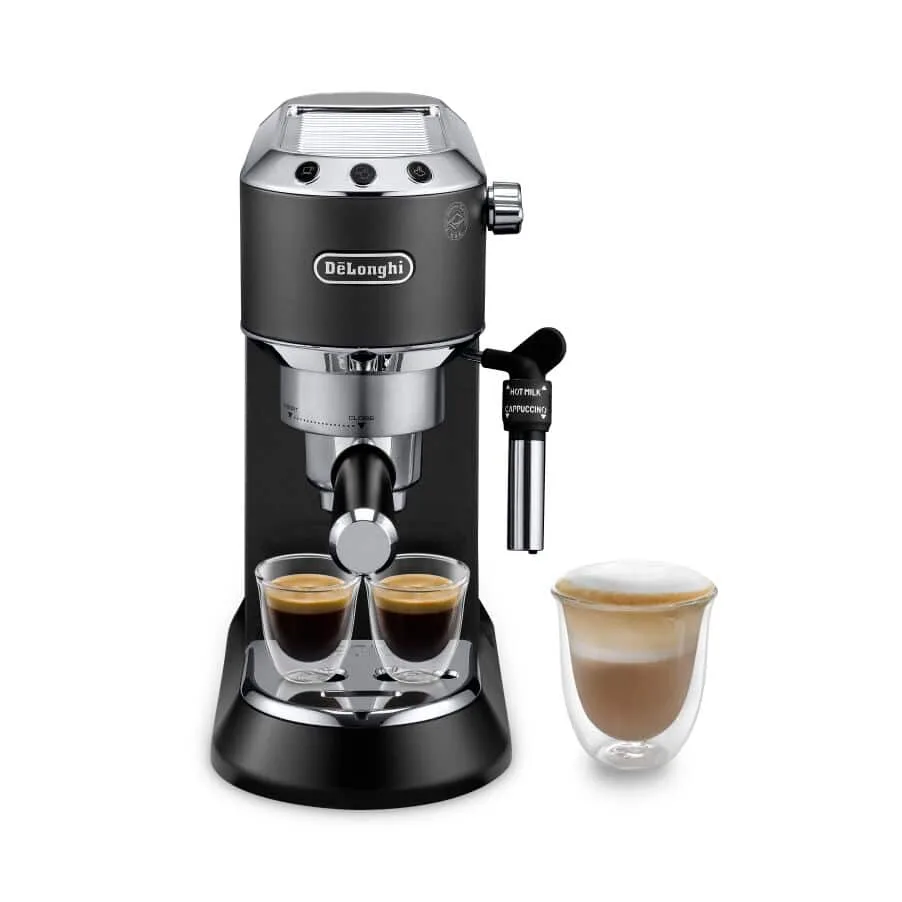
De'Longhi Dedica
A 6-inch-wide machine with pressurized baskets that forgive pre-ground coffee, for first-time buyers and small kitchens.
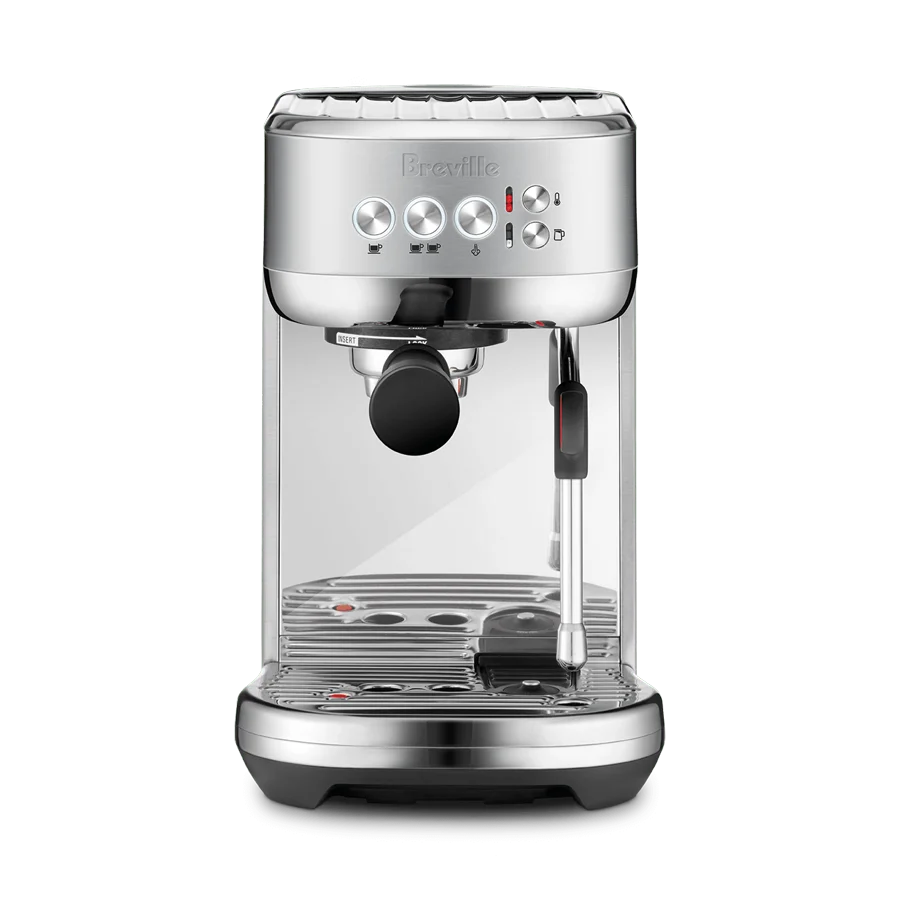
Breville Bambino Plus
An automatic steam wand that textures milk for you and a 3-second heat-up, for latte drinkers who will add a grinder.
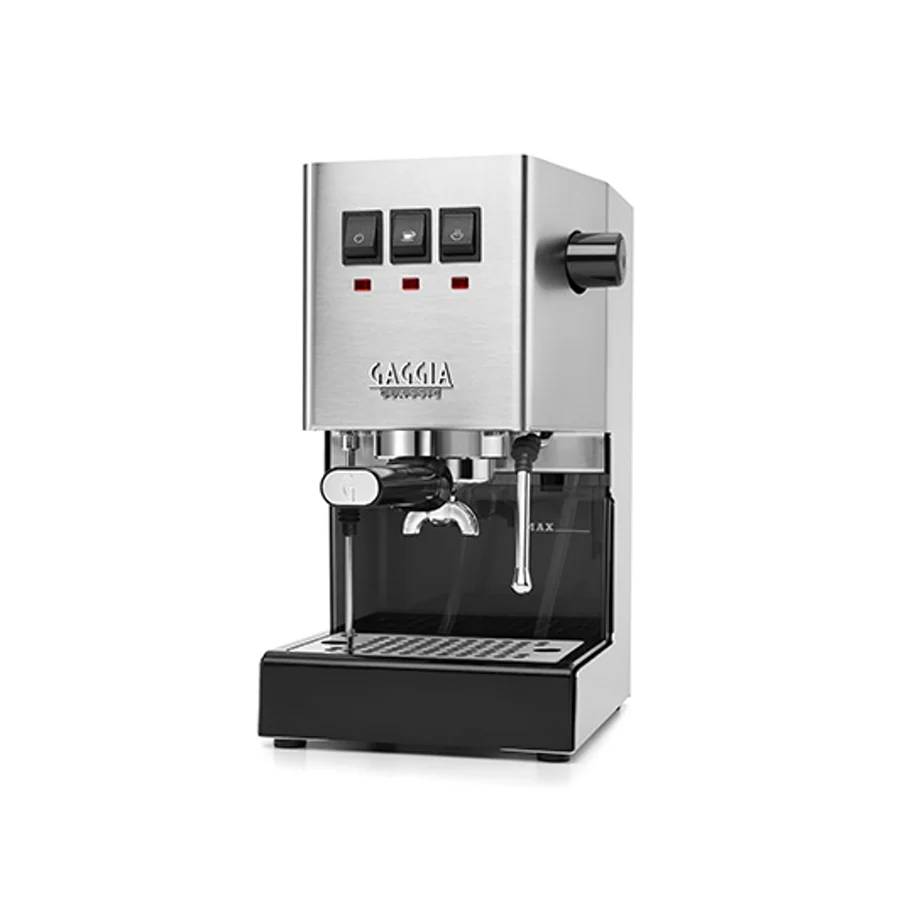
Gaggia Classic Evo Pro
A 58 mm commercial-size portafilter and a 9-bar pressure valve, for people who want to learn real espresso technique.
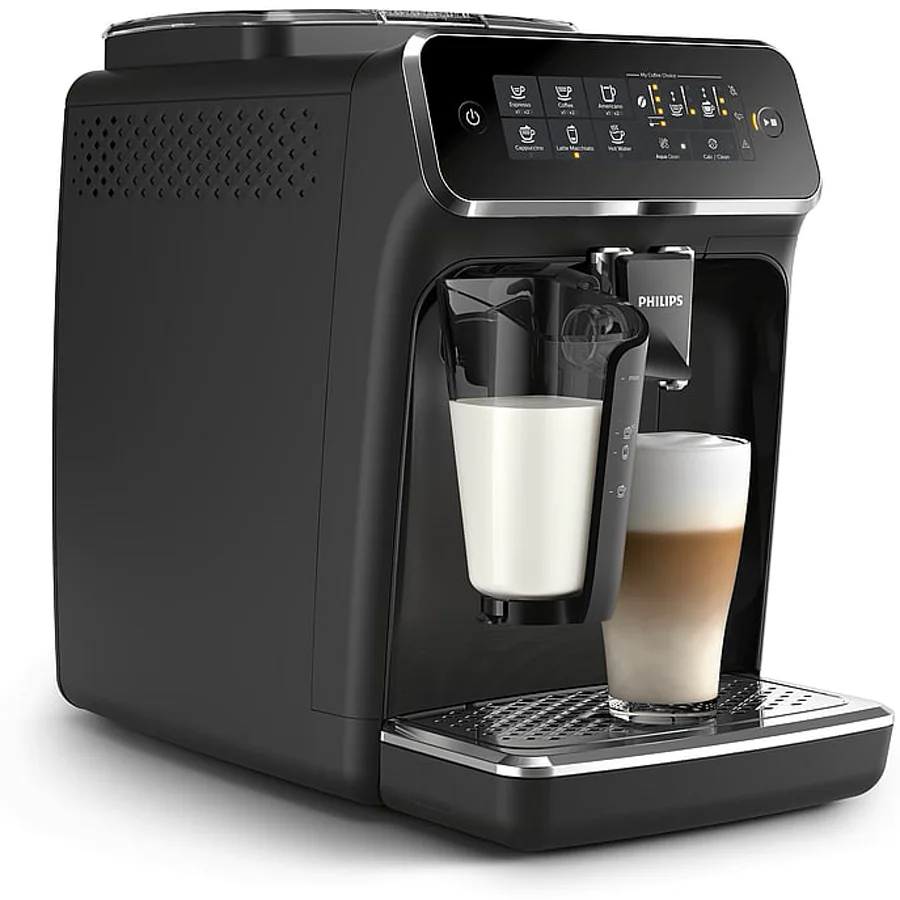
Philips 3200 LatteGo
Bean-to-cup milk drinks with no barista skill, for buyers who wait for a sale instead of paying the list price of about $800.
For most people with about $500 or less, buy the De’Longhi Dedica. It is small, simple and forgiving, and it sells for an estimated $200 to $330. That leaves money for a grinder or good beans. If you mostly drink lattes, buy the Breville Bambino Plus, which steams milk for you. If you mostly drink straight espresso and want to learn the craft, buy the Gaggia Classic Evo Pro.
Be honest about what this price buys. Every machine here except the Philips needs you to grind, dose, tamp and steam. None of them brews and steams at the same time. And the best of them needs a separate grinder, which pushes a full setup past $500.
How we chose
We did not use these machines ourselves. We compared manufacturer specs and manuals, US retailer listings and long-term owner reports. Every pick is sold new in the US in 2026. Prices move a lot in this band, so we give price bands, not exact prices.
De’Longhi Dedica: best overall
The current US model is the EC685. De’Longhi lists a 15-bar pump, a Thermoblock heater and a 1.1 L tank. The body is about 6 inches wide (149 mm), so it fits where most machines do not. It ships with pressurized baskets that make a decent shot from pre-ground coffee. We found no current US listing for the EC685, so its price is an estimate: about $200 to $330.
Who it suits: a first-time buyer, a small apartment kitchen, or an occasional cappuccino drinker who does not want to buy a grinder yet.
The real weakness: the steam wand is modest, the portafilter is light, and temperature drifts across several shots in a row. The older EC680 is still sold in places, so check the model number. Read our De’Longhi Dedica review for the full list of limits.
De'Longhi Dedica: the smallest, most forgiving start to home espresso.
Check price →Breville Bambino Plus: best for lattes
The BES500 uses Breville’s ThermoJet heater, which Breville says reaches extraction temperature in 3 seconds. It takes a 54 mm portafilter with an 18 g dose. The automatic steam wand has 3 temperature settings and 3 texture settings, so it textures milk while you do something else. Breville lists it at about $500.
Who it suits: a latte or flat white drinker who wants café-style milk without learning to steam by hand.
The real weakness: it sits at the top of this budget, and it has no grinder. A capable entry grinder adds an estimated $200, so a full setup lands near an estimated $650. Our Bambino Plus review covers the baskets and grinder pairing.
Breville Bambino Plus: hands-free milk texturing in a small body.
Check price →Gaggia Classic Evo Pro: best for straight espresso
The Classic Evo Pro (model RI9380) has a 58 mm commercial-size portafilter, a single boiler, a commercial-style steam wand and a 2.1 L tank. Gaggia set its pressure valve to brew at 9 bar. It usually sells for around $450 to $550 in the US, so wait for the lower end of that band.
Who it suits: a hands-on buyer who wants a simple machine that lasts, with parts and upgrades sold widely. The 58 mm size fits most third-party baskets and tampers.
The real weakness: there is no PID temperature control, so shot temperature varies more than on the Breville. It needs a grinder that can grind fine for espresso. Our Gaggia Classic Evo Pro review explains the temperature routine owners use.
Philips 3200 LatteGo: stretch pick for automatic drinks
The Philips is the only superautomatic here, and it fits this budget only on sale. Its list price is about $800, and it usually sells for an estimated $450 to $600. Philips lists a ceramic grinder with 12 settings, a 1.8 L tank, a 275 g bean hopper and a two-part LatteGo carafe with no tubes. The US model we cover is the EP3241/54.
Who it suits: a buyer who wants push-button cappuccinos and has no interest in barista skill.
The real weakness: at full price it is not a budget machine. The body is mostly plastic, and Philips’s manual asks you to take out and rinse the brew group every week. Read our Philips 3200 LatteGo review before you buy.
Comparison table
| Machine | Type | Grinder needed? | Milk | Portafilter | Price band |
|---|---|---|---|---|---|
| De’Longhi Dedica EC685 | Semi-automatic, thermoblock | Optional (pressurized baskets) | Manual wand | Pressurized baskets | Est. $200 to $330 |
| Breville Bambino Plus | Semi-automatic, ThermoJet | Yes | Automatic wand | 54 mm | $400 to $500 |
| Gaggia Classic Evo Pro | Semi-automatic, single boiler | Yes | Manual wand | 58 mm | $450 to $550 |
| Philips 3200 LatteGo | Superautomatic | No, built in | Automatic carafe | None | Est. $450 to $600, about $800 list |
The grinder problem at this price
This is the compromise that matters most. A non-pressurized basket needs fresh coffee ground fine and in small steps. Most blade grinders and many cheap burr grinders cannot do that. A capable entry grinder such as the Baratza Encore ESP costs an estimated $200.
You have three honest options:
- Buy the Dedica and use pre-ground coffee in the pressurized baskets. Total cost stays low. Shots are good, not great.
- Buy the Bambino Plus or Gaggia plus a grinder. Total cost is an estimated $600 to $750. Shots can be much better, once you learn.
- Wait for a Philips sale. The grinder is built in, and you trade shot control for convenience.
Our espresso grinder guide compares grinders at each price.
What you give up under $500
- Back-to-back milk drinks. One heater handles brewing and steaming, so expect a short wait between them.
- Temperature stability. Only the Breville has controlled temperature. The Dedica and Gaggia drift more across several shots.
- Build. Expect more plastic, lighter portafilters and smaller drip trays than on machines above $1,000.
Who should look at another category
- You want better shots and can spend $500 to $1,000. The Breville Barista Express adds a built-in grinder. See our best espresso machines under $1,000.
- You will make three or more milk drinks every morning. A heat exchanger or dual boiler saves real time. Our best semi-automatic espresso machines guide covers them.
- You want no barista work and will not wait for a sale. Budget for a superautomatic in the $500 to $1,000 band instead.
Budget Espresso Machines Under $500: reviews and guides
Breville Bambino Plus Review (BES500)The Bambino Plus BES500 heats in about 3 seconds and steams milk on its own. It suits small kitchens and beginners who will add a burr grinder.De'Longhi Dedica EC685 ReviewThe Dedica EC685 is a 6-inch-wide espresso machine with pressurized baskets that forgive pre-ground coffee. It suits beginners with small kitchens and small budgets.Gaggia Classic Evo Pro ReviewThe Gaggia Classic Evo Pro is a simple single boiler machine with a 58 mm commercial portafilter and a 9-bar valve. It suits patient learners who want parts that last.Philips 3200 LatteGo ReviewThe Philips 3200 LatteGo (EP3241/54) makes five coffees and one-touch milk drinks with the easiest milk system to clean in its price band.