Learn
Espresso Basics: What It Is and How to Start
Espresso is coffee brewed with hot water under about 9 bar. Start with 18 g in, 36 g out in 25 to 30 seconds, then adjust the grind by taste.
Espresso is a small, strong coffee made by forcing hot water through a tight bed of finely ground coffee at about 9 bar of pressure. To make your first good shot, start with about 18 g of ground coffee, aim for about 36 g of liquid in the cup, and stop the shot at 25 to 30 seconds. Then taste it. If it is sour, grind finer. If it is bitter, grind coarser.
Those numbers are starting points, not rules. They give you a fixed place to begin, so you change one thing at a time.
What makes espresso different from drip coffee
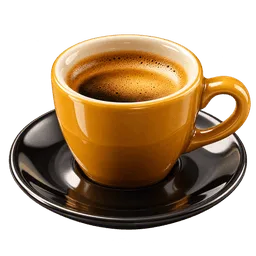
Drip coffee lets gravity pull water through coarse grounds over several minutes. Espresso uses pressure and a much finer grind to do the job in under half a minute. The result is a concentrated drink of about 1 to 2 oz with more body and a layer of foam on top.
| Espresso | Drip coffee | |
|---|---|---|
| Grind | Fine, close to powdered sugar | Medium, close to sand |
| Pressure | About 9 bar | None (gravity) |
| Brew time | About 25 to 30 s | About 4 to 6 min |
| Coffee to water | About 1:2 by weight | About 1:15 to 1:17 |
| Serving | 1 to 2 oz | 8 to 12 oz |
One bar is about the air pressure at sea level, so 9 bar is about 130 psi. Many home machines advertise a 15 bar or 19 bar pump. That number is the pump’s maximum, not the brew pressure. Our guide to boilers and pressure explains why a higher pump rating does not make better espresso.
The crema
The tan foam on top is crema. It forms when pressure forces carbon dioxide from freshly roasted coffee into the liquid. Thick crema tells you the beans are fresh. It does not tell you the shot tastes good. A shot can have thick crema and still taste sour or bitter.
Stale beans or pre-ground coffee give thin crema that fades fast. Our guide to espresso beans covers roast dates and how long beans stay fresh.
The starting recipe
Use a scale. Measuring by weight removes most of the guesswork, because a spoonful of coffee can vary by several grams.
| Variable | Starting point | What it controls |
|---|---|---|
| Dose (coffee in) | About 18 g in a double basket | Strength and how much coffee you use |
| Yield (liquid out) | About 36 g | Concentration (the ratio) |
| Ratio | About 1:2 | Body versus clarity |
| Time | 25 to 30 s from pump start | A check that the grind is close |
| Pressure | Around 9 bar | Set by the machine |
| Water temperature | About 195 to 205 °F (90 to 96 °C) | Set by the machine on most models |
Your basket sets the dose. Most double baskets hold 14 to 20 g. Some smaller machines use 51 mm or 54 mm portafilters with baskets that hold less than 18 g. If your basket is smaller, use the dose the maker lists and keep the 1:2 ratio. For example, 15 g in means about 30 g out.
Weigh the liquid in the cup, not the volume. Crema makes volume hard to read. A small espresso scale that fits under the portafilter and reads to 0.1 g is the cheapest upgrade you can make.
Shot styles by ratio
The ratio of coffee in to liquid out changes the drink more than any other number you control.
- Ristretto, about 1:1 to 1:1.5. Short, thick and intense. 18 g in, 18 to 27 g out.
- Normale, about 1:2. The usual starting point. 18 g in, about 36 g out.
- Lungo, about 1:3 or more. Longer and lighter. 18 g in, 54 g or more out.
Do not confuse a lungo with an Americano. A lungo pushes more water through the coffee. An Americano is a normal shot with hot water added after.
How to pull your first shot
- Heat the machine fully. Boiler machines need an estimated 15 to 30 minutes for the group and portafilter to reach temperature. Thermoblock machines heat faster. Read your manual.
- Grind fresh. Grind just before you brew. Ground coffee loses aroma within minutes.
- Dose and level. Weigh about 18 g into the basket. Break up clumps and level the bed.
- Tamp level. Press firmly and evenly. A level tamp matters more than how hard you press.
- Start the shot and a timer together. Put the cup on the scale.
- Stop at the target weight. Note the time.
- Taste. Then change one thing for the next shot.
Dialing in: sour versus bitter
Dialing in means you adjust the grind until the shot tastes balanced. Change only the grind at first, and keep the dose and yield fixed.
| What you taste and see | Likely cause | What to change |
|---|---|---|
| Sour, sharp, thin, salty; shot runs in under 20 s | Under-extracted: water ran through too fast | Grind finer |
| Bitter, dry, harsh, ashy; shot drips past 35 s | Over-extracted: water ran through too slow | Grind coarser |
| Sour and bitter at once | Uneven flow, called channeling | Improve distribution and tamp, check the grind |
| Balanced but too strong | Ratio is too short | Increase yield, for example to 40 g |
| Balanced but weak or watery | Ratio is too long | Decrease yield, for example to 32 g |
Sour is the more common problem for beginners. Light roasts also taste more sour at the same settings, so they often need a finer grind or a longer ratio.
Use time as a guide, not a goal. If a shot runs 22 seconds and tastes good, keep it. Taste always wins over the clock.
Make one change at a time and move in small steps. On a stepped grinder, move one step. Pull two shots at a new setting before you judge, since the first can carry old grounds. Our grinder basics guide explains why the grinder decides how fine you can go. If no grind setting fixes the taste, our troubleshooting guide covers other causes, such as scale and low temperature.
Superautomatics dial in differently
A superautomatic grinds, doses and brews for you, so you do not weigh or tamp. You still dial in, but with fewer controls: grind level, strength (which changes the dose) and cup volume. The same taste rules apply. Sour means finer or less volume. Bitter means coarser or a lower temperature.
Change the grind only while the grinder runs, and judge after two or three drinks. This Jura espresso settings guide walks through each setting on current Jura models.
Milk drinks start with the same shot
Every milk drink starts with one or two espresso shots. The milk volume changes the drink.
- Cappuccino: a shot topped with steamed milk and a thick layer of foam, about 5 to 6 oz total.
- Flat white: a double shot with thin, silky milk, about 5 to 6 oz.
- Latte: a shot with more steamed milk and a thin foam layer, about 8 to 12 oz.
Milk mutes sourness and bitterness. A shot that tastes harsh alone can taste fine in a latte. If you mostly drink milk drinks, you can be less strict about dialing in.
What you need besides the machine
A machine alone does not make espresso. Budget for these items:
- A burr grinder that grinds fine enough for espresso, unless the machine has one built in.
- A scale that reads to 0.1 g.
- A tamper that matches your basket size, such as 51 mm, 54 mm or 58 mm.
- A milk pitcher if you steam milk.
Our accessories guide explains which ones matter and which you can skip.
Which machine type fits you
- You want to learn the craft and do not mind 5 minutes per drink: a semi-automatic with a good grinder. You control dose, grind and yield directly.
- You want espresso and milk drinks from a button: a superautomatic. You trade fine control for speed and less mess.
- You want the most hands-on control and accept a long learning curve: a manual lever machine.
- You want espresso-style coffee with no learning at all: a capsule machine, with a higher cost per cup.
Our guide to espresso machine types compares each one in detail. If you are new and want a short list, start with the best espresso machines for beginners.